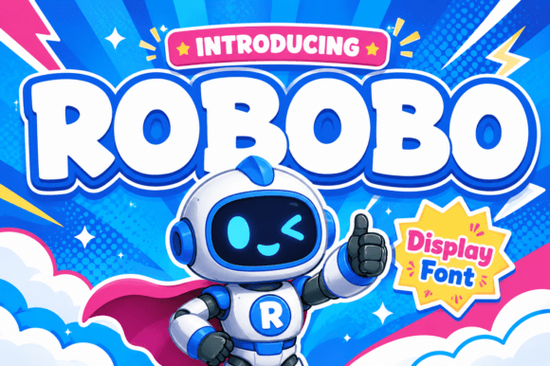
If you're looking for a display font that feels friendly, energetic, and just the right amount of playful without tipping into overly childish or dated territory Robobo Font is worth your attention. It’s not trying to be everything at once. Instead, it does one thing well: bring warmth and visual energy to headlines, logos, and product packaging where personality matters. Whether you’re designing a sticker pack for kids’ planners, refreshing a small-batch toy brand, or building a cheerful Shopify banner, Robobo holds its own without needing extra effects or layers.
What makes Robobo work so well for real projects?
It starts with how it looks and how it feels. The letters have generously rounded edges and thick, consistent linework. That gives them presence on screen or in print, even at smaller sizes. Unlike some bubbly fonts that lose clarity when scaled down, Robobo keeps its shape and charm. Its oversized curves aren’t exaggerated they’re balanced, which helps it read cleanly in context. You’ll notice it especially in short phrases: “New Arrivals,” “Yay!”, “Let’s Play,” or even a simple shop name like “Sunny Sprout Toys.”
This isn’t a font you’d use for body text or long paragraphs and it’s not meant to be. It’s built for impact, not endurance. Think of it as the visual equivalent of a friendly wave or a bright smile: brief, memorable, and instantly disarming.
Where do designers actually use Robobo?
From our conversations with crafters and small business owners, here are the most common, practical uses:
- Print-on-demand products: Tote bags, kids’ t-shirts, and enamel pins where bold, approachable lettering stands out in marketplace thumbnails.
- Educational printables: Flashcards, reward charts, and classroom posters especially for early learners who respond well to soft shapes and clear forms.
- Toys & packaging: Box labels, instruction inserts, and character-based branding where friendliness supports safety and trust.
- Logo design for small businesses: Cafés with a playful vibe, indie bookshops, or family-run bakeries wanting something modern but not cold.
- Digital assets: Canva templates, Instagram story headers, and email newsletter banners places where quick recognition matters more than fine detail.
One designer told us she used Robobo for a line of sensory toys aimed at neurodivergent kids. She chose it because testers responded more positively to its open shapes and lack of sharp angles something research in inclusive design supports. That kind of thoughtful application shows why this font goes beyond aesthetics.
How does Robobo compare to other playful display fonts?
It sits comfortably between cartoonish and contemporary. For example, Spookify leans into Halloween whimsy with jagged details and uneven baselines great for seasonal designs, less ideal for year-round branding. Candyhorn has a bolder, almost architectural bounce, while Amazing Newbie adds subtle hand-drawn texture. And if you’re working around the holidays, Santa Sugar brings festive cheer with candy cane curves but Robobo stays versatile across seasons and themes.
You can also find Robobo font on Creative Fabrica, where it’s listed with full licensing details including commercial use rights for POD sellers and small teams. That clarity matters: no guessing whether you can use it on a Redbubble store or a client’s packaging.
What should you test before buying?
Before adding Robobo to your toolkit, try these quick checks:
- Download the free preview (most Creative Fabrica fonts include a basic character set) and type your most-used words like your shop name or top product category.
- Test it alongside your current brand colors. Robobo’s thick strokes hold up well against both light and dark backgrounds, but contrast still matters.
- Compare it with your existing display fonts. Does it fill a gap or overlap too much? If you already use Candyhorn for packaging and Amazing Newbie for social posts, Robobo might be the missing piece for logo lockups.
- Check the language support. Robobo includes Latin-based characters and standard punctuation, but doesn’t cover extended Cyrillic or Asian scripts so verify if that fits your audience.
If you’ve been searching for a display font that’s cheerful without being cutesy, chunky without being heavy-handed, and versatile without being generic Robobo is a grounded, well-designed option worth trying. It won’t solve every typography problem, but for the right project, it removes friction instead of adding it.
Try It Free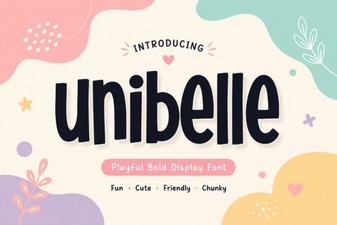 Unibelle Font: the Complete Creative Character
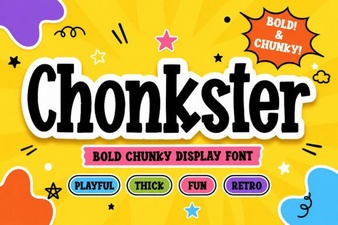 Chonkster Fonts: Bold Designs for Creative Projects
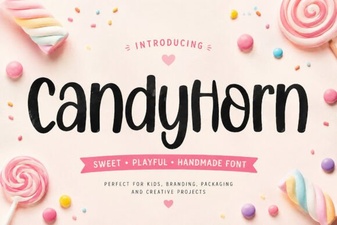 Candyhorn: a Creative Typographic Design Tool
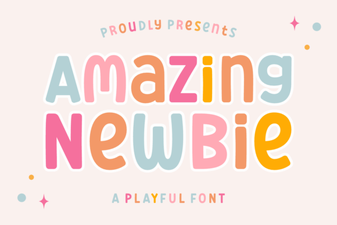 Fresh Fonts for Beginners: Creative Start
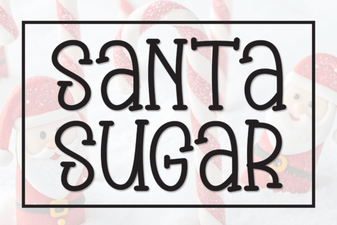 Santa Sugar Font: Sweet & Playful Design Projects
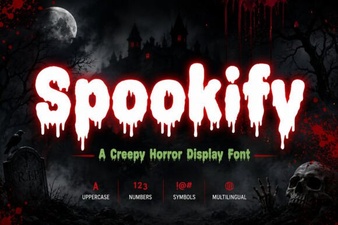 Spookify Font: Design Ideas and Creative Uses